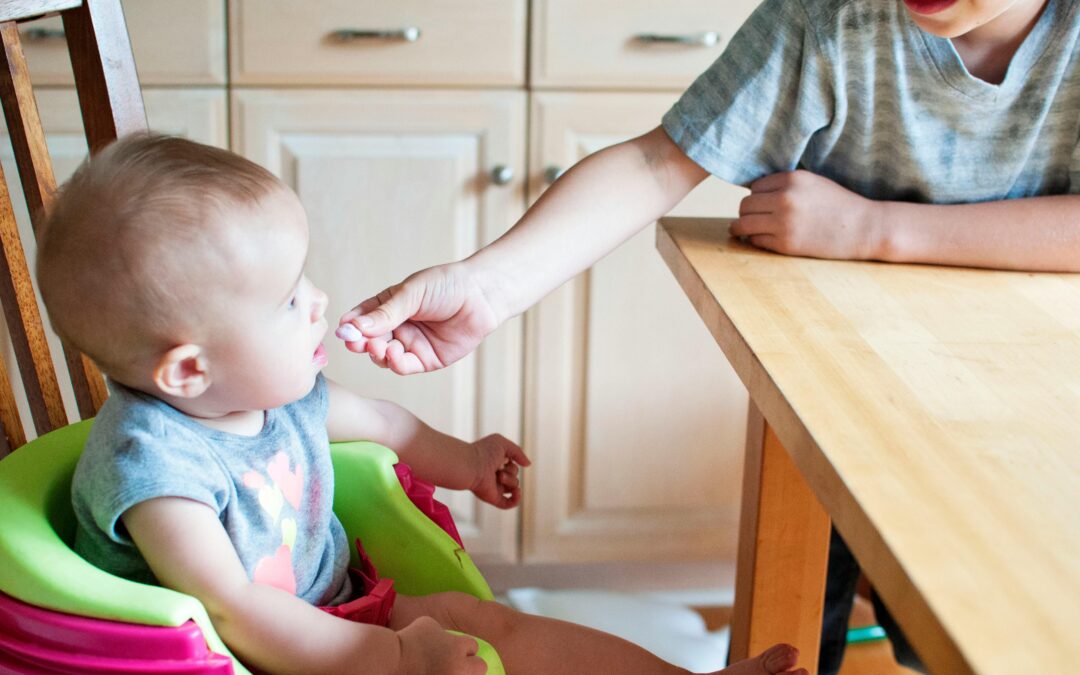
At Spring Early Learning in Narangba, we believe that healthy eating for children begins with more than just nutritious ingredients – it starts with creating positive relationships with food that will last a lifetime. Our innovative approach to early childhood nutrition transforms mealtime from a simple necessity into an exciting adventure of discovery, learning, and growth.
Step inside our bustling kitchen, and you’ll discover a place where fresh, wholesome meals are prepared daily with love, care, and educational intent. This is where nutrition meets adventure, creating experiences that nourish both body and mind.
The Spring Early Learning Kitchen: More Than Just a Place to Cook
Our kitchen is the heart of our learning community – a space designed specifically for healthy meal preparation for children while serving as an extension of our educational philosophy – intentionally visible and accessible, it allows children to witness the magic of fresh food preparation firsthand.
Every aspect of our kitchen has been thoughtfully designed with children’s learning in mind. From child-height windows that allow curious little faces to peek in, to the aromatic herbs growing on our windowsills, our kitchen environment sparks natural curiosity about where food comes from and how healthy meals are made.
Our Learning Through Living philosophy extends seamlessly into our kitchen practices, where cooking becomes a rich sensory experience that supports development across all learning domains.
Nutritious Meals for Early Learning: Meeting Growing Bodies’ Needs
Child nutrition in early years is crucial for physical development, brain growth, and establishing healthy eating patterns. Our qualified early childhood nutrition team works closely with dietitians and follows Australian Dietary Guidelines for children to ensure every meal supports optimal growth and development.
Fresh ingredients form the foundation of our menu planning. We source locally when possible, supporting Narangba community businesses while ensuring the highest quality produce reaches our children’s plates. Our commitment to seasonal eating means children experience the natural variety of foods throughout the year while learning about sustainable food practices.
Balanced nutrition for toddlers requires careful attention to portion sizes, food textures, and nutritional density. Our menus are designed to meet the specific needs of growing children, providing essential nutrients for brain development, immune system support, and healthy physical growth.
Cooking Activities for Children: Learning Through Hands-On Experiences
One of the most exciting aspects of our kitchen program is how we involve children directly in food preparation activities. These hands-on cooking experiences are carefully designed to be age-appropriate, safe, and educationally rich.
Toddler cooking activities might include washing vegetables, tearing lettuce for salads, or helping to measure ingredients with supervision. These simple tasks develop fine motor skills, hand-eye coordination, and mathematical concepts while building confidence and independence.
For older children, preschool cooking activities become more complex, involving following simple recipes, understanding cooking processes, and making connections between ingredients and final dishes. Through these engaging learning experiences, children develop literacy skills by reading recipe cards, mathematical understanding through measuring and counting, and scientific thinking by observing how ingredients change during cooking.
Food Education for Children: Building Lifelong Healthy Habits
Teaching children about nutrition goes far beyond simply serving healthy meals. Our comprehensive approach to food education includes:
Garden to Table Experiences: Children actively participate in growing vegetables and herbs in our learning garden, connecting them directly to where food comes from and fostering appreciation for fresh, whole foods. This farm to table approach helps children understand the journey food takes from seed to plate.
Cultural Food Exploration: We celebrate the diverse backgrounds of our families by incorporating foods from different cultures into our menus and cooking activities. This multicultural food education helps children develop respect for diversity while expanding their palates and food experiences.
Nutrition Learning Activities: Age-appropriate discussions about different food groups, the importance of variety in eating, and how different foods help our bodies grow strong and healthy. These conversations happen naturally during meal preparation and eating times, making nutrition education engaging and relevant.
Allergy-Friendly Childcare Meals: Inclusive Nutrition for All
We understand that many children have food allergies or special dietary requirements. Our kitchen team is expertly trained in allergen management and works closely with families to ensure every child can safely enjoy delicious, nutritious meals.
Specialised dietary accommodations are handled with care and attention to detail. Whether a child requires gluten-free meals, dairy-free options, or vegetarian alternatives, our kitchen team creates appealing, nutritionally balanced meals that ensure no child feels excluded during mealtimes.
Our commitment to inclusive practices extends to our food program, where every child’s dietary needs are respected and accommodated with creativity and care.
The Learning Kitchen Environment: Where Education Happens Naturally
Our kitchen serves as an incredible learning environment where mathematical concepts, scientific principles, and language development occur naturally through food-related activities. Children observe cause and effect as bread rises, practice counting and measuring during cooking activities, and expand vocabulary through rich discussions about tastes, textures, and cooking processes.
Safety in children’s cooking activities is paramount in our approach. Our kitchen is equipped with age-appropriate tools, and all activities are carefully supervised by trained educators who understand both cooking processes and child development. Children learn important life skills while developing confidence in their abilities.
Social skills development flourishes during shared cooking experiences. Children learn to take turns, share resources, help younger peers, and work collaboratively toward common goals – all while creating something delicious to share with their friends.
Sustainable Food Practices: Teaching Environmental Responsibility
Sustainability education is woven throughout our food program, helping children understand their connection to the environment and the importance of making responsible choices. Our zero waste initiatives include composting food scraps, using reusable containers, and growing our own herbs and vegetables.
Children learn about environmental stewardship through hands-on experiences like maintaining our compost system, watering garden beds, and understanding how food choices impact the planet. These experiences develop environmental consciousness while building practical life skills.
Local food sourcing supports our Narangba community while reducing environmental impact. Children learn about local producers, seasonal availability, and the benefits of eating foods grown close to home.
Mealtime as Learning Time: More Than Just Eating
Social mealtime experiences at Spring Early Learning are carefully orchestrated to support development across multiple domains. Our family-style dining approach encourages independence, social interaction, and positive food experiences.
Children serve themselves with supervision, developing portion control awareness and decision-making skills. Mealtime conversations are rich with learning opportunities, from discussing the day’s activities to exploring the sensory qualities of different foods.
Cultural mealtime traditions are respected and incorporated into our dining experiences. Children learn about different eating customs, table manners, and food traditions while developing respect for diversity and cultural awareness.
The Health Benefits of Our Approach
Research consistently demonstrates that children who participate in food preparation activities are more likely to try new foods, develop healthy eating habits, and maintain positive relationships with food throughout their lives. Our hands-on approach to nutrition education supports these outcomes while providing rich learning experiences.
Physical development is supported through fine motor activities involved in food preparation, while cognitive development flourishes through the mathematical, scientific, and problem-solving aspects of cooking activities. Social-emotional development grows through shared experiences and the satisfaction of creating something to share with others.
Family Engagement in Our Food Program
We believe that healthy eating habits are best developed through partnership between home and our early learning center. Our family engagement initiatives include sharing recipes, providing nutrition education resources, and encouraging families to continue food exploration at home.
Monthly cooking workshops invite families to participate in hands-on cooking activities with their children, strengthening family bonds while learning new skills together. Recipe sharing allows families to recreate center favorites at home while contributing their own cultural dishes to our program.
Nutrition education for families includes workshops on topics like healthy lunchbox ideas, managing food allergies, and encouraging adventurous eating at home. These resources support families in creating consistent, positive food experiences across all environments.
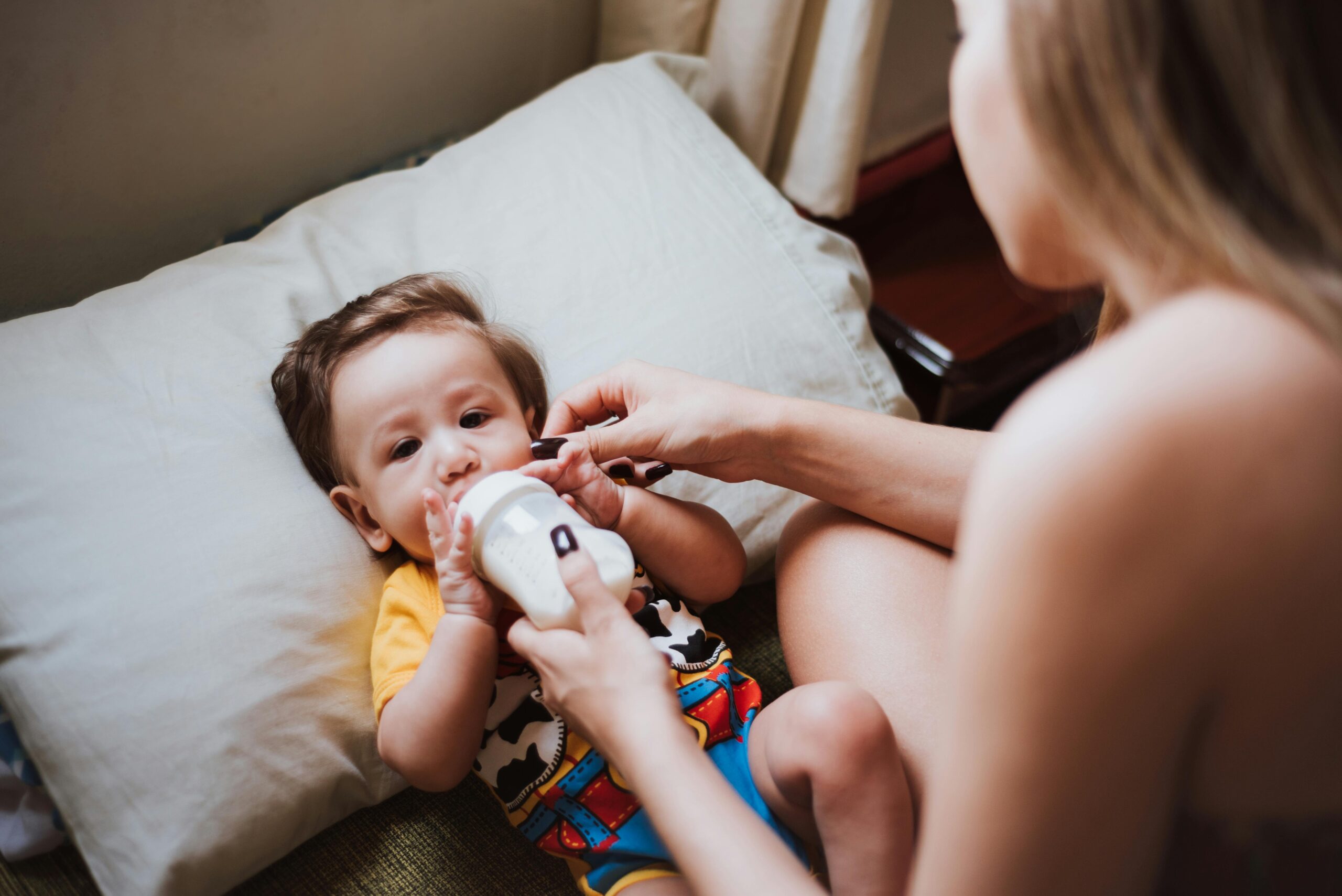
Experience Nutrition and Adventure at Spring Early Learning
Our innovative approach to early childhood nutrition creates experiences that nourish both body and mind while building essential life skills and positive food relationships. Through hands-on cooking activities, garden-to-table experiences, and comprehensive nutrition education, children develop the foundation for lifelong healthy eating habits.
Mealtime at Spring Early Learning is never just about eating – it’s about learning, growing, discovering, and connecting. Children leave our program with expanded palates, increased confidence in the kitchen, and deep appreciation for fresh, wholesome foods.
The integration of nutrition education with our broader curriculum ensures that food learning happens naturally throughout the day, making healthy eating an enjoyable, normal part of children’s lives rather than a forced or stressful experience.
Ready to see where nutrition meets adventure?
Book a tour of Spring Early Learning Centre Narangba to experience our innovative kitchen program firsthand. Discover how our approach to healthy eating and food education can nourish your child’s growing mind and body while building lifelong healthy habits. Contact our team to learn more about our comprehensive nutrition program and how we support each child’s individual dietary needs.