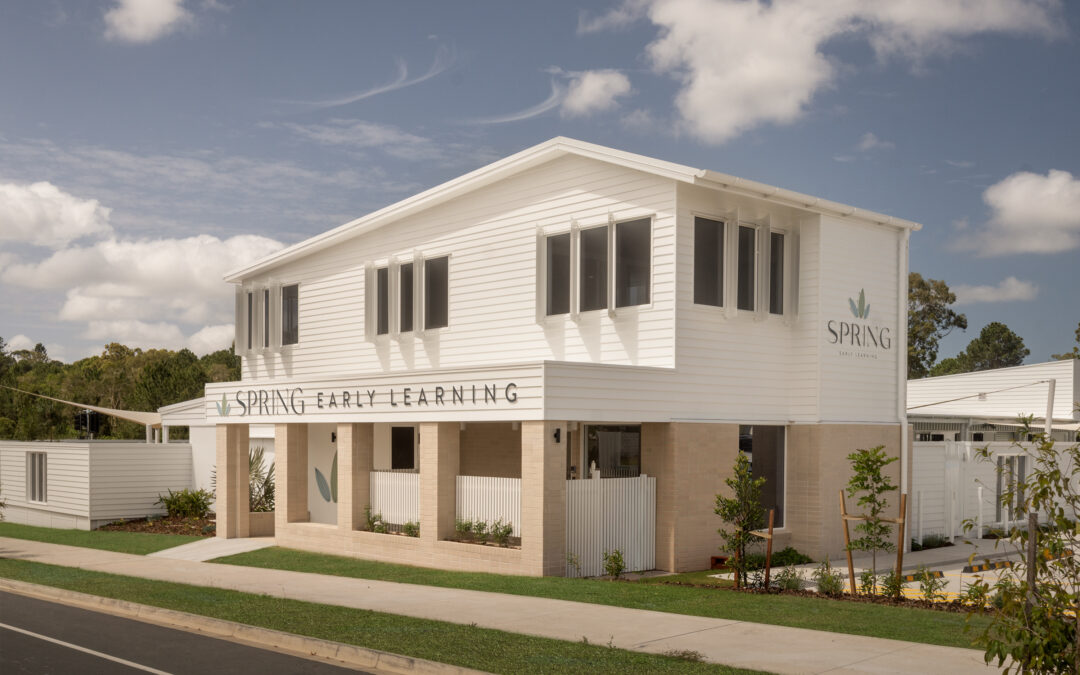
Teaching children to give back to their community is one of the most valuable lessons in early childhood. At Spring Early Learning in Narangba, our service learning projects help young children develop empathy, social responsibility, and a deep understanding that they can make a positive difference in the world around them.
What Is Service Learning?
Service learning combines community service with intentional learning goals. According to Queensland Government’s Community Engagement Guidelines, meaningful service experiences teach children:
- Empathy and compassion for others
- Social responsibility and civic awareness
- Problem-solving and critical thinking
- Connection to their local community
- Understanding of diverse needs
- The power of collective action
The Early Years Learning Framework emphasises children developing a sense of community and becoming socially responsible, making community service an essential part of quality early education.
Why Service Learning Matters in Early Childhood
Research from University of Queensland’s Social Research Centre demonstrates that children who engage in community projects early develop:
Character Development
- Kindness and generosity
- Gratitude and appreciation
- Understanding of privilege and need
- Desire to help others
- Confidence in their ability to contribute
Social Skills
According to Queensland Health’s Child Development Research:
- Cooperation and teamwork
- Communication with diverse people
- Perspective-taking abilities
- Leadership skills
- Community connections
Cognitive Growth
- Understanding cause and effect
- Problem-identification and solutions
- Planning and organization
- Real-world application of learning
Our February Service Projects
Week 1: Kindness Campaign
Children spread joy throughout Narangba:
- Creating handmade cards for nursing home residents
- Drawing thank you pictures for local emergency services
- Making kindness rocks to leave around the community
- Baking treats for neighbours (with family involvement)
- Compliment jar for families and staff
Week 2: Environmental Care
Community environmental projects include:
- Local park cleanup at Narangba parks
- Planting native trees for wildlife
- Creating bird feeders for local species
- Making recycling awareness posters
- Litter-free pledge for families
Moreton Bay Regional Council’s Environmental Programs supports community environmental initiatives that children can participate in safely.
Week 3: Supporting Those in Need
Children learn about helping others:
- Food drive for local charities
- Collecting items for homeless shelters
- Creating care packages for families in need
- Understanding different community needs
- Gratitude discussions and reflections
Organizations like Brisbane Youth Service and local Moreton Bay charities benefit from community donations.
Week 4: Animal Welfare
Caring for creatures in our community:
- Creating toys for shelter animals
- Collecting blankets and towels for RSPCA Queensland
- Learning about responsible pet ownership
- Making bird baths for local wildlife
- Understanding animal needs and welfare
Age-Appropriate Service Activities
Babies and Toddlers (0-2 years)
- Participating in family donation sorting
- Gentle animal interactions
- Observing kindness acts
- Simple cleanup activities
- Experiencing community outings
Preschoolers (3-5 years)
- Hands-on project creation – cards, crafts, care packages
- Decision-making – what to donate, who to help
- Reflection – discussing how actions help others
- Planning – organizing service projects
- Leadership – taking initiative in projects
According to Volunteering Queensland, engaging children in age-appropriate service builds lifelong volunteering habits.
The Benefits of Community Engagement
Service learning provides comprehensive developmental benefits:
Emotional Intelligence
- Building empathy through helping others
- Understanding diverse perspectives
- Managing feelings about social issues
- Developing compassion and care
- Feeling pride in contributions
Real-World Learning
- Math through counting donations
- Literacy through making cards and signs
- Science through environmental projects
- Geography through community mapping
- Social studies through understanding needs
Connection to Narangba
Children develop strong ties to their local community:
- Understanding neighbourhood resources
- Meeting community helpers
- Recognizing local landmarks
- Feeling invested in community wellbeing
- Building relationships across generations
Family Involvement
Service learning is most effective when families participate. We encourage Narangba families to:
- Volunteer together – join weekend cleanup events
- Donate together – involve children in selecting items
- Discuss community needs – age-appropriate conversations
- Visit local services – library, fire station, community centres
- Model generosity – children learn by watching
- Celebrate contributions – acknowledge helping behaviours
Moreton Bay Regional Council’s Community Directory lists local service opportunities suitable for families with young children.
Teaching Social Responsibility
Our community engagement programme teaches that:
- Everyone can make a difference
- Small actions create big impacts
- Communities thrive when people help each other
- Diversity strengthens our neighbourhood
- We’re responsible for caring for our environment
Research from Australian Research Alliance for Children and Youth confirms that early service experiences predict lifelong civic engagement and social responsibility.
Local Narangba Connections
We partner with local organizations:
- Narangba State School
- Local aged care facilities
- Moreton Bay community services
- Environmental groups
- Animal welfare organizations
- Emergency services
These partnerships help children see their community impact in action.
Building Community-Minded Citizens
At Spring Early Learning, we believe that service learning nurtures compassionate, engaged citizens who understand their role in creating a better world. February’s focus on community love teaches children that caring extends beyond themselves and their families.
Join our community-minded learning environment:
- 📍 1 Aria Boulevard, Narangba, QLD, 4504
- 📞 07 3487 3122
- ✉️ hello@springearlylearning.com.au
- 🕐 Monday-Friday, 6:30am-6:30pm, 52 weeks a year
- 🌐 Visit springearlylearning.com.au
Discover how we’re raising the next generation of community leaders in Narangba.