
February brings Queensland’s most intense summer heat, but that doesn’t mean outdoor learning stops. At Spring Early Learning in Narangba, we understand the importance of outdoor play for child development while prioritising safety during hot weather. Our strategic approach keeps children cool, protected, and engaged in nature-based learning even during peak summer.
Why Outdoor Play Matters—Even in the Heat
According to Queensland Health’s Active Play Guidelines, children need at least three hours of physical activity daily, with much of this ideally occurring outdoors. Outdoor learning provides benefits that indoor play cannot replicate:
- Gross motor skill development
- Vitamin D absorption
- Sensory experiences
- Connection to nature
- Mental health and wellbeing
- Reduced stress and improved mood
- Space for energetic play
The Early Years Learning Framework recognises outdoor environments as essential learning spaces, requiring early childhood services to provide safe outdoor experiences year-round.
Understanding Queensland’s February Heat
February is typically Queensland’s hottest month. Bureau of Meteorology data shows the Moreton Bay region experiences:
- Temperatures often exceeding 30-35°C
- High humidity levels
- Intense UV radiation
- Afternoon storms and unpredictable weather
- Heat index making it feel even hotter
Heat safety in early childhood requires careful planning and constant monitoring.
Our Heat-Smart Outdoor Programme
Strategic Timing
We maximise cooler periods for outdoor play:
- Early morning sessions (6:30-9:30am) – coolest temperatures
- Late afternoon (after 4pm) – reduced UV exposure
- Avoiding peak heat (11am-3pm) – indoor activities during hottest hours
- Storm awareness – monitoring weather and adjusting schedules
According to Cancer Council Queensland, UV radiation peaks between 10am and 3pm, making sun protection critical during these hours.
Shade Structures
Our outdoor learning environments feature:
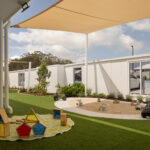
- Purpose-built shade sails covering play areas
- Natural tree canopy for filtered shade
- Portable shade umbrellas for flexibility
- Covered outdoor learning spaces
- Strategic positioning of activities in shaded zones
SunSmart Queensland recommends seeking shade when UV levels reach 3 or above—which occurs most Queensland summer days.
Water Play Stations
Cooling activities integrated throughout outdoor spaces:
- Water tables with scooping and pouring
- Sprinkler and misting stations
- Small wading pools (supervised)
- Water wall for exploration
- Ice and frozen sensory play
- Wet sand building areas
Research from Queensland University of Technology’s Play Research shows water play provides both cooling and valuable sensory learning experiences.
Sun Safety Protocols
We follow Queensland Government’s Sun Safety Guidelines rigorously:
The Five Sun Safety Steps
- SLIP on sun-protective clothing
- Loose, lightweight, long-sleeved shirts
- Longer shorts or skirts
- UV-protective swimwear for water play
- SLOP on SPF50+ broad-spectrum sunscreen
- Applied 20 minutes before going outside
- Reapplied every 2 hours
- After water play or sweating
- Supplied by the centre
- SLAP on a broad-brimmed hat
- Compulsory for all outdoor time
- Broad-brimmed or legionnaire style
- Covers face, neck, and ears
- SEEK shade
- Activities positioned under cover
- Regular shade breaks
- Indoor alternatives during peak UV
- SLIDE on sunglasses (optional)
- Encouraged for older children
- Close-fitting, wrap-around style
Hydration Strategies
Keeping children hydrated is critical during Queensland summers. According to Queensland Health’s Hydration Guidelines:
- Water available at all times
- Regular scheduled drink breaks every 15-20 minutes
- Encouraging drinking before feeling thirsty
- Monitoring for dehydration signs
- Providing chilled water on hot days
- Offering water-rich fruits (watermelon, oranges)
- Educating children about hydration importance
Signs of Heat Stress We Monitor
Staff are trained to recognise:
- Excessive sweating or absence of sweating
- Flushed or pale skin
- Irritability or lethargy
- Dizziness or confusion
- Nausea or headaches
- Rapid breathing or heart rate
Any concerning symptoms result in immediate cooling, hydration, and parent contact.
Cool Play Activities for Hot Days
Early Morning Nature Exploration
- Bug hunts before insects retreat from heat
- Garden care during coolest hours
- Nature scavenger hunts in shaded areas
- Bird watching when birds are most active
Water-Based Learning
- Ice painting with frozen paint cubes
- Frozen treasure hunts with toys in ice blocks
- Water transfer activities with droppers and sponges
- Splash science exploring water properties
- Sensory bins with cool water and materials
Shaded Creative Play
- Easel painting under trees
- Reading nooks in cool, shaded corners
- Construction play in covered areas
- Dramatic play in outdoor kitchens with shade
- Music and movement in the breeze
Appropriate Clothing and Preparation
We advise Narangba families to dress children in:
- Lightweight, breathable natural fabrics (cotton, linen)
- Light colours reflecting heat
- Loose-fitting clothes allowing air circulation
- Closed-toe shoes protecting feet from hot surfaces
- Spare clothes for water play changes
Raising Children Network Australia provides comprehensive guidance on sun-safe clothing for young children.
Indoor-Outdoor Flow
On extreme heat days (above 35°C), we adapt with:
- Increased indoor time with nature materials brought inside
- Nature documentaries and virtual experiences
- Indoor gross motor activities maintaining physical needs
- Flexible scheduling responding to conditions
- Extended outdoor time on cooler days to compensate
Supporting Outdoor Play at Home
Narangba families can maintain outdoor learning during summer:
- Early bird routine – outdoor play before 9am
- Create shade – umbrellas, shade cloths, tree planting
- Water activities – paddling pools, sprinklers, water tables
- Sun protection habits – model wearing hats and sunscreen
- Hydration stations – accessible water bottles outside
- Cool zones – designate shaded play areas
- Afternoon timing – outdoor play after 4pm
Visit Moreton Bay Regional Council’s Parks for shaded playgrounds and water play areas suitable for hot days.
The Importance of Balance
While outdoor play is essential, we recognise that February’s extreme heat requires flexibility. Our approach balances:
- Developmental needs for outdoor experiences
- Safety in challenging weather conditions
- Quality of play over quantity of time
- Individual children’s heat tolerance
- Educational goals with wellbeing priorities
Research from Kidsafe Queensland emphasises that supervised, well-planned outdoor play in summer can be both safe and beneficial.
Keeping Learning Cool in Narangba
At Spring Early Learning, outdoor education doesn’t stop when temperatures rise. Through thoughtful planning, appropriate timing, and robust safety protocols, we ensure children continue benefiting from nature-based learning while staying cool, protected, and comfortable.
Experience our heat-smart outdoor programme:
- 📍 1 Aria Boulevard, Narangba, QLD, 4504
- 📞 07 3487 3122
- ✉️ hello@springearlylearning.com.au
- 🕐 Monday-Friday, 6:30am-6:30pm, 52 weeks a year
- 🌐 Visit springearlylearning.com.au
Discover how we safely embrace outdoor learning even during Queensland’s summer heat.